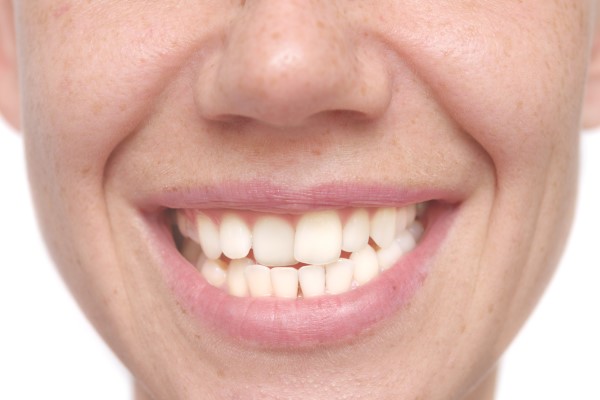
Braces, extractions and aligners may all be part of orthodontic treatment. These procedures can correct numerous dental issues regarding the alignment of the teeth and jaws.
What are some common questions about orthodontic treatment?
Many patients who need to see an orthodontist have questions regarding treatments. These are a few of the most frequently asked questions patients have about orthodontics.
What is an orthodontist?
Orthodontists are dental specialists who are specially trained in preventing, diagnosing and treating dental irregularities. The professionals require more extensive schooling than a typical dentist; after graduating from dental school they must complete a two- to three-year residency program in orthodontics.
What are malocclusions and what causes them?
Malocclusion, the Latin term for a bad bite, is used to describe misaligned teeth. Malocclusions are frequently inherited and can lead to conditions of extra teeth, crowding of the teeth and gaps between teeth. There are also numerous alignment issues with the face and jaw that may cause issues. Malocclusions can also happen due to accidents, pacifier or thumb sucking, and dental diseases.
What age does a patient need to be to receive treatment?
The American Association of Orthodontists recommends that children be seen by an orthodontist by the age of seven. It is important for children to have an appointment sooner rather than later because waiting until facial growth is complete and permanent teeth have come in can make correcting some problems much more difficult.
What conditions do orthodontists usually treat?
Some of the most common orthodontic conditions that are treated are overbites and underbites, crowding of the teeth and spacing issues.
How long does treatment take?
The time of treatment depends on what correction is needed and how severe the problem is. Some conditions can be treated in a few months, while others can take years. Braces may take anywhere from one to four years to correct misaligned teeth.
How often do patients need to be seen during treatments?
How often patients need to be seen depends on which treatment they are receiving. Most patients will usually be seen less frequently during early stages of treatment and may go two to three months between treatments. Later on in the course of treatment, patients normally have appointments every six to eight weeks but may have them every two to four weeks as the treatment is close to completion.
What problems can arise without orthodontic treatment?
Misalignment and crowding of the teeth can result in a higher risk of tooth decay due to cleaning difficulties. A higher chance of decay can in turn lead to periodontal diseases that can adversely affect a patient’s overall health. Overbites and underbites may result in wearing down of the teeth.
Conclusion
Orthodontic treatment is a crucial part of dentistry. It is important that children and adults make appointments with an orthodontist to check for any problems. Patients can get treatment to improve their oral health and feel confident in their beautiful smiles again.
Request an appointment here: https://www.dentistryforwoodstock.com or call Dentistry for Woodstock at (770) 238-1437 for an appointment in our Woodstock office.
Check out what others are saying about our dental services on Yelp: Orthodontics in Woodstock, GA.
Recent Posts
A preventive dentist is a trusted partner in maintaining your oral health and preventing serious dental issues before they occur. This dental professional emphasizes regular care and education, supporting long-term wellness and reducing the need for extensive procedures. As the cornerstone of modern dental care, preventive dentistry underscores early detection, regular visits, and informed patients.A…
Many patients are surprised to learn about the numerous types of dentures that are available. It is crucial to understand how to choose the right style to ensure that you get a set that looks great, fits comfortably, and enables you to function optimally.Patients should understand the different types of dentures so they can identify…
Dentures are the way to go if you are looking for an affordable way to replace missing teeth. They typically fall under one of two categories: partial and complete dentures. Partial dentures are recommended when a person has lost only some of the teeth in a dental arch. Full dentures are typically recommended for those…
Gum disease treatment helps protect the teeth, support healthier gums, and reduce the risk of long-term damage caused by infection and inflammation. Many patients are surprised to learn how common gum disease can be — especially early-stage gum disease. What begins as mild gum irritation may gradually affect the tissues and bone that support the…