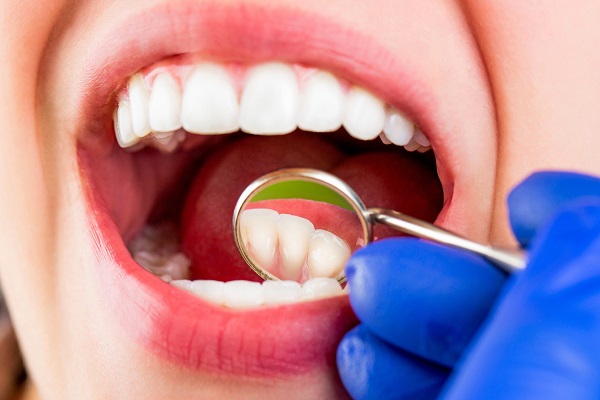
Periodontics is a dental specialty that focuses on maintaining the health of the gums and supporting structures of the teeth. It plays an important role in protecting long-term oral health, especially in cases of advanced gum disease. When issues arise with the gums, jawbone, or tissues surrounding the teeth, a periodontist can provide targeted treatments to preserve natural teeth and restore dental function.
What is periodontics?
Periodontics is the branch of dentistry concerned with the health of the tissues that support and surround the teeth (or periodontium). The tissues include the gums (gingiva), periodontal ligament, cementum, and alveolar bone. A periodontist is a dental specialist who undergoes additional years of training beyond dental school to diagnose and manage complex gum-related conditions. They often work in conjunction with general dentists to deliver premier care.
The scope of periodontics includes both non-surgical and surgical treatments. A first-line non-surgical treatment is scaling and root planing (deep cleaning), which removes plaque and tartar from below the gum line. General dentists typically recommend scaling and root planing as the initial step in gum disease treatment. Antibiotic treatments are another common non-surgical treatment, which are applied to fight infections in and around the gums.
For more advanced cases of gum disease, surgical treatment may be the best option to restore oral health. Pocket reduction surgery cleans deep gum pockets and reduces their size, making it easier to maintain healthy gums going forward. Alternatively, when the issue is receded gums or a shrinking jawbone, a periodontist can perform gum grafts or bone grafts to rebuild these areas.
Periodontics also plays a role in placing and maintaining dental implants. A periodontist ensures that the surrounding tissues are healthy enough to support implants and monitors the gums during the healing process. For instance, jawbone grafting may be done to create a better foundation for implants.
Common signs: When is periodontics necessary?
A general dentist is typically the one to refer a patient to a periodontist when they notice signs of gum disease or when certain conditions are too complex for routine care. Depending on the case, patients may be able to see a periodontist without a referral. Below are some common reasons to ask a dentist about periodontics:
- Persistent gum inflammation or bleeding
- Receding gums or visibly longer teeth
- Deep pockets between teeth and gums
- Loose or shifting teeth
- Difficulty chewing due to bite changes
Other conditions that require periodontics include persistent halitosis (chronic bad breath) unrelated to tooth decay and visible bone loss on dental X-rays. Patients considering tooth replacement with dental implants may also benefit from consulting a periodontist to confirm that they are a good candidate for implant surgery. Finally, if healing did not go as expected following previous gum treatments, more personalized care from a periodontist may be necessary.
Your first appointment with a periodontist
A patient’s first visit to a periodontist is a comprehensive evaluation, providing an understanding of the patient’s gum health, jawbone health, and overall dental health. This appointment often begins with a detailed review of dental and medical history, as certain health conditions can impact gum health and healing. The periodontist will ask questions about the patient’s symptoms, such as whether they are experiencing bleeding gums or tooth sensitivity. They will also ask about any past dental treatments to help guide the new treatment process.
A thorough clinical exam follows, during which the periodontist will measure the depth of the pockets between the teeth and gums, check for signs of gum recession, and evaluate tooth mobility. Digital X-rays or other imaging tools may help examine bone levels beneath the surface, particularly if jawbone loss is the potential cause of the issue. These diagnostic steps help pinpoint the severity of gum disease and develop a personalized periodontics care plan.
Before wrapping up the first visit, the periodontist will take the time to explain any findings, address patient questions, and discuss available treatment options. A personalized plan will be developed based on individual needs and treatment goals. This collaborative approach helps ensure each patient receives the right level of care to restore and maintain a healthy smile.
Learn if periodontics is right for you
Periodontics offers support in the management of gum disease, dental implant placement, and the long-term preservation of oral structures. If routine care is not enough to address gum concerns, it may be time to see a periodontist. Contact our Woodstock team at Dentistry for Woodstock to learn more about periodontics and how it can enhance your dental health.
Request an appointment here: https://www.dentistryforwoodstock.com or call Dentistry for Woodstock at (770) 238-1437 for an appointment in our Woodstock office.
Check out what others are saying about our dental services on Yelp: Periodontics in Woodstock, GA.
Recent Posts
Periodontics focuses on the health of the jawbone and gums. As part of a comprehensive dental care plan, general and family dentists often integrate periodontics into their services. This specialized field is concerned with preventing, diagnosing, and treating periodontal disease while also supporting tooth replacement and enhancing the smile. Understanding the basics of periodontics can…
Healthy gums are just as important as healthy teeth, but they do not always get the attention they deserve. Periodontics is the dental specialty that focuses on the health of your gums and the bone that supports your teeth. Without proper care, gum problems can lead to serious oral health issues, including tooth loss. Learning…
If you have ever had trouble with your gums, you may have seen a dentist with experience in periodontics. It is the treatment of disease that affects the gums and other structures around your teeth.Dentists who study periodontics have comprehensive training in diagnosing, treating, and preventing gum disease. They spend three additional years in school…
Have you had a periodontal exam recently? If you have not, you should schedule one soon. Caring for your gums is just as important as having healthy, strong teeth. You do not want to ignore good gum care and suffer the consequences. There is no need to feel nervous about your appointment. An exam will…